
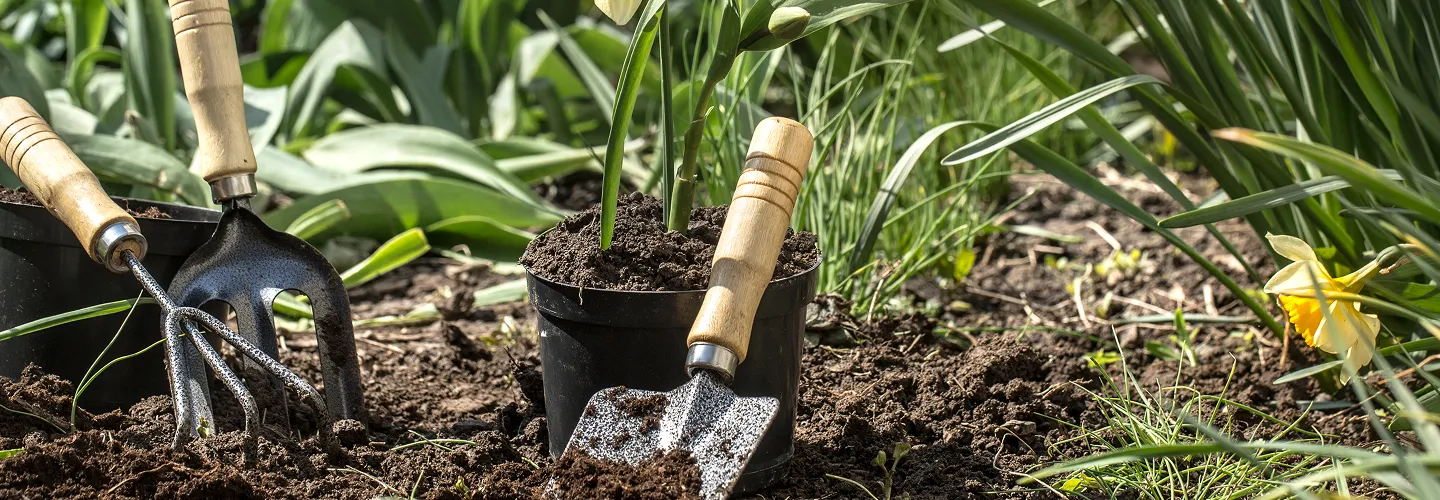
Shavano Park Fertilizing Lawn Services
Choose our expert fertilizing lawn services to ensure your grass receives the nutrients it needs for lush, healthy growth all year round—experience greener, thicker lawns with professional care you can trust.
Get a Free QuoteOur Shavano Park Landscaping & Yard Care Services
When to Schedule Fertilizing Lawn in Shavano Park, Texas – Seasonal Guide
Fertilizing your lawn in Shavano Park requires careful timing to ensure lush, healthy grass throughout the year. The optimal periods for fertilization are typically early spring and early fall, when temperatures are moderate and grass growth is most vigorous. Shavano Park’s climate, with its warm summers and mild winters, means that lawns benefit from a tailored approach—especially in neighborhoods like Willow Wood and Bentley Manor, where mature trees and varying shade levels can impact soil moisture and nutrient uptake.
Local environmental factors play a significant role in determining the best fertilizing schedule. For example, the area’s clay-heavy soils retain moisture differently than sandy soils, and the risk of late spring frost or summer drought can affect nutrient absorption. Homeowners near Salado Creek or those with properties shaded by large oaks should also consider how humidity and shade coverage influence lawn health. For more information on local environmental guidelines, visit the Sudbury municipal resource.
Local Factors to Consider for Fertilizing Lawn in Shavano Park
- Tree density and shade coverage, especially in established neighborhoods
- Soil type (clay, loam, or sandy soils)
- Seasonal precipitation patterns and drought risk
- Proximity to natural water features like Salado Creek
- Municipal restrictions on fertilizer use and watering schedules
- Terrain and drainage characteristics
Benefits of Fertilizing Lawn in Shavano Park
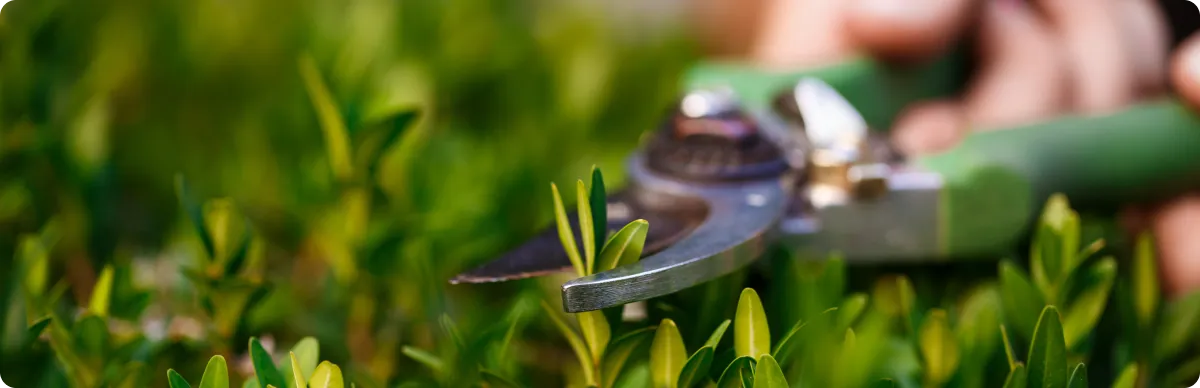
Enhanced Lawn Health
Thicker, Greener Grass
Improved Weed Resistance
Boosted Soil Nutrients
Expert Local Knowledge
Reliable Landscaping Service
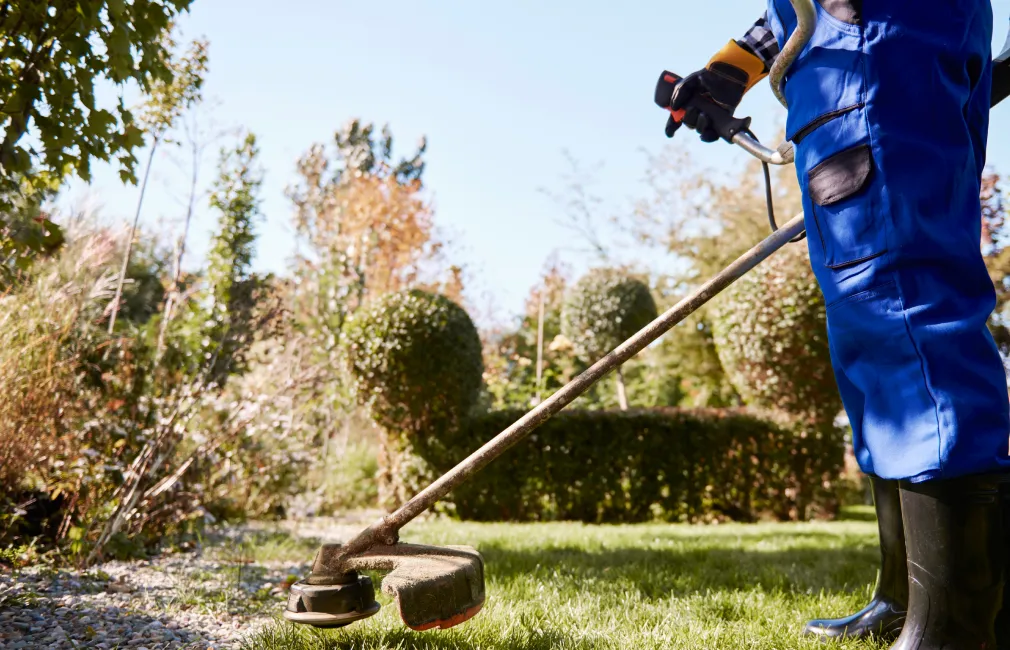
Shavano Park Fertilizing Lawn Types

Bermuda Grass Fertilization
-
St. Augustine Grass Fertilization
-
Zoysia Grass Fertilization
-
Buffalo Grass Fertilization
-
Fescue Grass Fertilization
-
Ryegrass Fertilization
-
Centipede Grass Fertilization
Our Fertilizing Lawn Process
Soil Analysis
Fertilizer Selection
Application Scheduling
Even Fertilizer Distribution
Post-Application Inspection
Why Choose Shavano Park Landscape Services
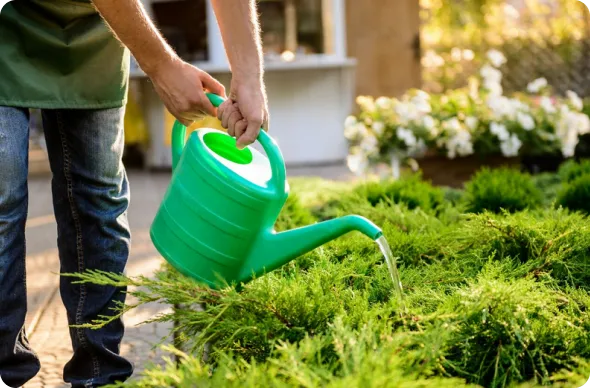
Shavano Park Homeowners Trust Us
-
Comprehensive Lawn Maintenance
-
Reliable Irrigation Solutions
-
Expert Tree and Shrub Care
-
Seasonal Clean-Up Services
-
Competitive Pricing
-
Professional and Courteous Team
-
Satisfaction Guarantee
Soil Series and Fertilizer Application Challenges in Shavano Park’s Blackland Prairie
Fertilizing lawns in Shavano Park requires careful consideration of the region’s predominant Houston Black clay soils, as identified by the USDA Web Soil Survey. These Vertisols are characterized by high clay content, poor drainage, and a tendency to compact, which can limit nutrient uptake and root development. Soil pH typically ranges from 7.5 to 8.2, making it alkaline and often necessitating the use of acidifying amendments or sulfur-based fertilizers. Before any application, a soil test is recommended—available through Texas A&M AgriLife Extension—to determine nutrient deficiencies and appropriate amendment rates. Best practices include:
- Core aeration to a depth of 2-3 inches before fertilization
- Incorporating 2-3 inches of compost for organic matter
- Avoiding fertilizer application before heavy rainfall to prevent runoff
Seasonal Fertilization Timing and Weather Considerations for Shavano Park Lawns
Shavano Park’s climate falls within USDA Hardiness Zone 8b, with hot summers and mild winters. Optimal fertilization windows for warm-season grasses such as bermudagrass and zoysiagrass are late April to early June and again in early September, when soil temperatures are consistently above 65°F. The National Weather Service Austin/San Antonio Office provides local forecasts to help schedule applications and avoid periods of heavy rain, which can cause nutrient runoff. Key timing guidelines include:
- Spring fertilization: April 15 – June 1 (soil temp 65-75°F)
- Fall fertilization: September 1 – October 15
- Avoiding applications during July-August heat stress
- Monitoring rainfall forecasts to prevent runoff
Municipal Coordination and Fertilizer Use Regulations in Shavano Park
All fertilizer applications in Shavano Park must comply with local ordinances designed to protect water quality and public health. The city prohibits fertilizer application within 50 feet of drainage ditches, creeks, or wetlands, and mandates a 25-foot buffer from all stormwater inlets. Equipment operation for lawn care is permitted:
- Monday-Friday: 7:00 AM – 7:00 PM
- Saturday: 8:00 AM – 6:00 PM
- Sunday and holidays: Prohibited Proper disposal of fertilizer bags and containers is required through the city’s solid waste program. For questions on compliance and collection schedules:
San Antonio Public Works Department
114 W. Commerce St., San Antonio, TX 78205
Phone: (210) 207-8022
Official Website: San Antonio Public Works Department
Environmental Compliance: Stormwater Protection and State Regulations
Fertilizer use in Shavano Park is regulated under the Texas Water Code and the city’s MS4 stormwater permit, which prohibits the discharge of lawn chemicals into storm drains. The Texas Commission on Environmental Quality (TCEQ) enforces these requirements, and the city participates in EPA Clean Water Act compliance through its stormwater management program. Key compliance steps include:
- No fertilizer application within 50 feet of water bodies
- Maintain a 25-foot no-disturbance buffer from wetlands
- Sweep excess fertilizer from hard surfaces to prevent runoff
- Use slow-release or phosphorus-free products where possible
Texas Commission on Environmental Quality
12100 Park 35 Circle, Austin, TX 78753
Phone: (512) 239-1000
Official Website: Texas Commission on Environmental Quality
Professional Standards and Safety Protocols for Fertilizer Application in Shavano Park
Professional lawn care providers in Shavano Park must adhere to strict safety and equipment standards. All personnel are required to wear:
- ANSI Z87.1 safety glasses
- Chemical-resistant gloves
- Steel-toed boots with non-slip soles
- Hearing protection for equipment exceeding 85 dB Equipment must be calibrated to deliver no more than 1 lb nitrogen per 1,000 sq ft per application, with a maximum of 3 lbs annually. Maintain a 15-foot clearance from property lines and public sidewalks during application. Certification in safe chemical handling is recommended, and all spills must be reported to the city’s environmental management office.
San Antonio Environmental Management
1400 S. Flores St., San Antonio, TX 78204
Phone: (210) 207-1440
Official Website: San Antonio Environmental Management
What Neighborhoods Do We Serve Throughout Shavano Park, TX?
- Shavano Creek: Features expansive lots with mature trees and heavy clay soils, requiring careful fertilizer selection to address compaction and drainage challenges.
- Willow Wood: Known for newer developments and well-drained soils, but with HOA guidelines that may restrict fertilizer types and application timing.
- Bentley Manor: Characterized by luxury homes and landscaped lawns, with irrigation systems that can increase nutrient leaching risk if not properly managed.
- Huntington: Proximity to Salado Creek and protected greenbelts necessitates strict adherence to buffer zones and runoff prevention measures.
- Shavano Heights: Older properties with established turf and occasional slope conditions, requiring erosion control and slow-release fertilizer products.
- De Zavala Estates: Smaller lots and higher density, with increased risk of fertilizer runoff into storm drains and a need for precise application techniques.
- Willow Bend: Located near city parks and recreational areas, subject to additional municipal oversight and environmental protection standards.